
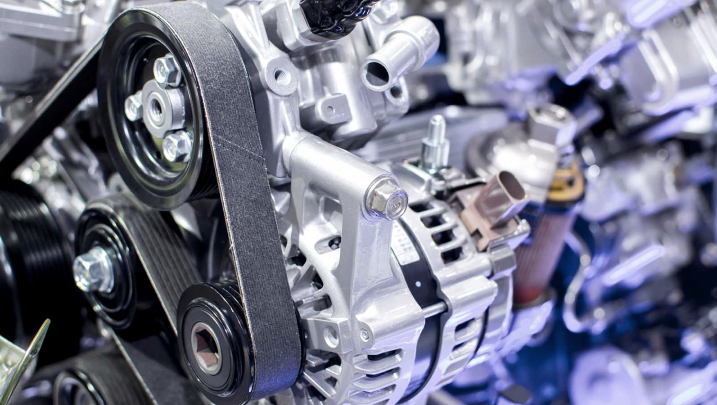
Drive Belts Buying Guide
Drive belts are crucial engine components that ensure the proper functioning of various parts. A broken belt can simultaneously turn off the alternator, water pump, steering pump, and more, impacting vehicle performance on busy roads or highways. Whether you drive a sedan, SUV, or heavy-duty truck, understanding the drive belt's importance is crucial in selecting the correct replacement. This guide to driving belts will highlight their significance and assist you in choosing the correct belt for your vehicle.

Drive belts in heavy trucks transfer power from the engine to essential components like the alternator, water pump, power steering pump, and air conditioning compressor. They ensure these parts work correctly, crucial for charging the battery, cooling the engine and steering, and providing air conditioning in the cabin. Essentially, drive belts are essential for heavy trucks to function correctly.
What To Look For When Buying Drive Belts?
Compatibility is essential when buying a drive belt because belts come in different sizes and types. The belt length depends on what it needs to power, like the alternator, steering pump, or AC compressor. More components mean a more extensive belt is required. Tensioners can have a pulley or bearing; ensure they're the right size to avoid stressing the belt. Look for a tensioner with rust protection to prevent corrosion and extend the life of your parts. Ensure to focus on the critical factors below when buying a new drive belt for a heavy truck:

Brand Compatibility
Ensure the belt matches the specifications of your truck's engine and pulley system.

Material and Durability
Go for belts made from durable materials like rubber reinforced with fibers for increased longevity.

Ease of Installation
Choose easily install and maintain belts, reducing downtime during replacement.

Brand and Quality
Select belts from reputable manufacturers producing reliable, high-quality automotive parts.
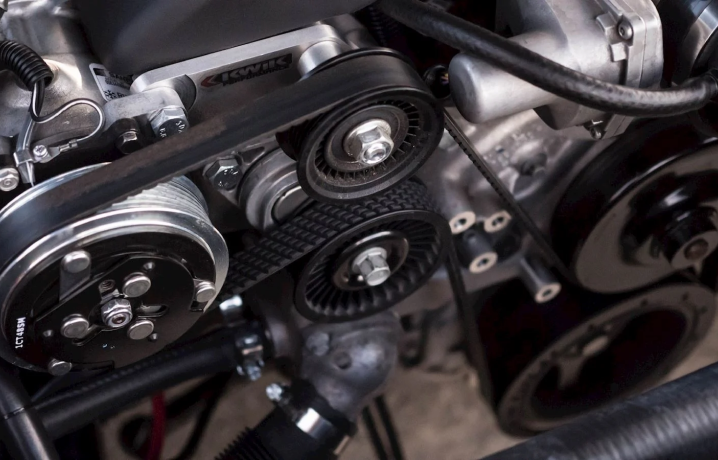
Truck Drive Belts That Help Prevent Breakdowns
Worn drive belts can quickly turn into a roadside problem. You may hear squealing, feel weak engine performance, or see systems like charging and cooling start to fail. A bad belt can affect airflow and engine timing and, in some cases, lead to overheating or a complete breakdown. These issues often show up in the belts and cooling system, especially around parts like serpentine belt, drive belt idler pulley, and drive belt tensioner assembly. If ignored, repairs can get bigger and more expensive than expected.
At Wofford Truck Parts, you’ll find the parts that help keep your truck steady on the road. If you’re planning a drive belt replacement or looking for an accessory drive belt, you can find the right fit here. Check the selection and keep your truck moving without unnecessary downtime.