
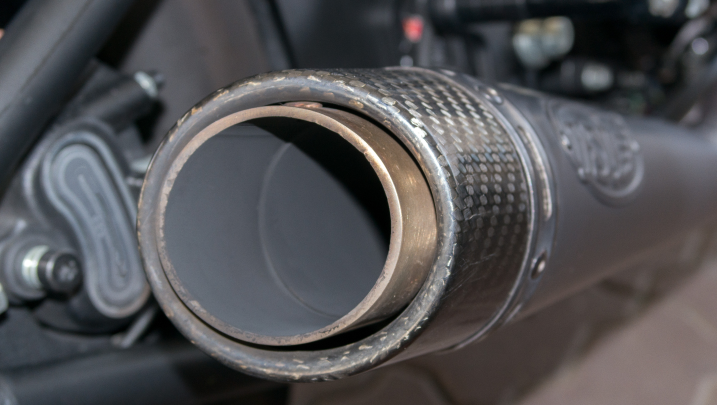
Guide to Exhaust & After Treatment Parts
Knowing about exhaust and after-treatment parts is essential in vehicle upkeep.

This guide explains critical components, their jobs, and how they help reduce harmful emissions. Whether you're a vehicle owner, mechanic, or fleet manager, this information will help you make smart choices and keep operations running smoothly.
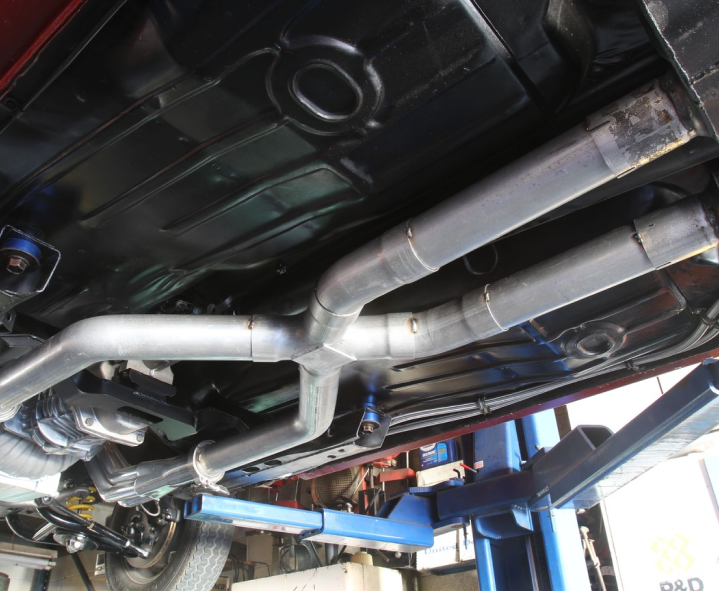
The Foundation of Truck Exhaust Systems
The truck's exhaust system handles emissions and enhances the engine's performance. Essential parts include the exhaust manifold, which collects gases from the engine cylinders, and the turbocharger, which boosts engine power using these gases.
Then there's the exhaust pipe, which carries these gases to the back of the truck, and the muffler, which reduces the noise. Together, these parts work to remove engine emissions efficiently, but there's more to the system than just these parts.
What is an After-Treatment System?
An after-treatment system helps engines clean exhaust emissions to meet strict air quality rules. Reducing pollution from internal combustion engines before it reaches the environment is essential.
Modern truck exhaust systems use advanced after-treatment technologies to clean emissions effectively. Diesel Particulate Filters (DPFs) capture soot and ash, Selective Catalytic Reduction (SCR) systems break down nitrogen oxides with Diesel Exhaust Fluid (DEF), and Diesel Oxidation Catalysts (DOCs) remove carbon monoxide and hydrocarbons. Together, these components significantly reduce pollution from truck emissions.
Essential Components of Exhaust & Aftertreatment
Truck exhaust after-treatment systems are crucial in reducing harmful emissions and ensuring compliance with environmental regulations. These systems include several vital components that clean exhaust gases before exiting the atmosphere.
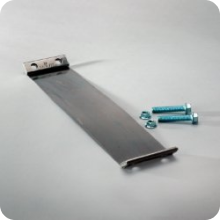
Clamps & Hardware
Clamps and hardware ensure proper installation and secure fastening of various components. These parts are essential for maintaining the structural integrity of the wheel assembly, preventing leaks, and ensuring safety on the road. Securely fastening components like rims, tires, and other related parts, clamps and hardware contribute to optimal vehicle performance and longevity. Their reliability helps minimize maintenance issues and ensures heavy trucks operate safely and efficiently under different road conditions.
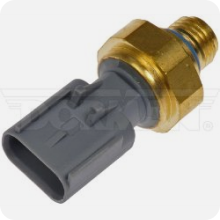
Exhaust Backpressure Sensor
The exhaust backpressure sensor monitors the pressure levels within the exhaust system. By measuring backpressure, the resistance to exhaust gases leaving the engine, this sensor ensures that the engine operates efficiently and within optimal parameters. It helps maintain engine performance, fuel efficiency, and emissions control by providing real-time feedback to the vehicle's engine control unit (ECU).
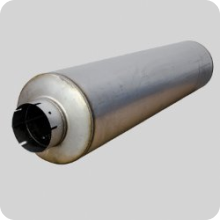
Exhaust Mount
The exhaust mount holds and securely supports the exhaust system components, including the exhaust pipe, muffler, and other parts, ensuring they remain stable and properly aligned. By reducing vibrations and minimizing movement, the exhaust mount helps prevent wear and damage to the exhaust system over time. It plays a crucial role in maintaining the system's integrity, optimizing vehicle performance, and ensuring compliance with emissions regulations by keeping exhaust components in position throughout the truck's operation.
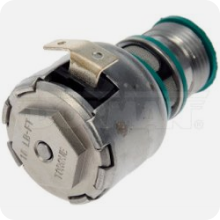
Switches, Solenoids and Actuators
Switches, solenoids, and actuators serve various functions in vehicle operations. Switches allow drivers to control lights and adjust mirrors. Solenoids manage systems like fuel injection and transmission shifting. Actuators operate valves in exhaust and braking systems, ensuring optimal truck performance, enhancing driver control, and boosting road safety and reliability.
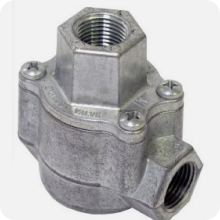
Valves
In heavy truck tire and wheel systems, valves regulate air and fluid flow to maintain optimal pressure and performance. They control the release of exhaust gases, ensuring efficient engine operation and compliance with emissions standards. Valves also contribute to vehicle safety by managing braking systems and enhancing overall reliability on the road.
Tips to Keep Your Exhaust Aftertreatment System in Good Condition
In recent years, the introduction of exhaust aftertreatment systems has transformed the exhaust system into a crucial component of a truck's powertrain. These modern systems have become more complex and expensive than traditional setups, significantly impacting downtime and costs if improperly inspected and maintained.

System Inspection
A thorough inspection should include checking the integrity of electrical wiring, ensuring proper fuel line routing, and examining any flammable materials near the after-treatment system that could pose risks.

Leaks & Repairs
Maintaining an efficient aftertreatment system is paramount. Even minor leaks can compromise its integrity and performance. Promptly replace any identified leaks or temporary repairs with new components to ensure optimal operation.

Choosing the Right Parts
Compliance with emissions regulations is crucial, especially for trucks operating across different state jurisdictions. Using the correct parts is essential to avoid fines and unnecessary downtime due to non-compliance.

Maintenance
While components like diesel particulate filters and selective catalytic reduction systems have proven reliable, their longevity depends on the system's overall integrity. Addressing issues early, such as exhaust leaks or damaged parts, with timely and proper replacements can prevent costly repairs down the road.
Knowing how truck exhaust and after-treatment systems work is critical to keeping vehicles running smoothly and meeting emissions rules. Truck owners can ensure their cars run efficiently and comply with environmental standards wherever they operate by checking systems regularly, fixing leaks promptly, and using the right parts.
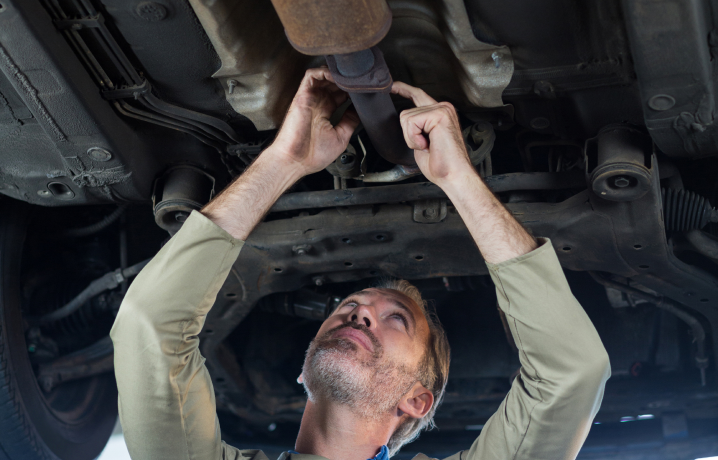
SUMMARY
Knowing how truck exhaust and after-treatment systems work is critical to keeping vehicles running smoothly and meeting emissions rules. Truck owners can ensure their cars run efficiently and comply with environmental standards wherever they operate by checking systems regularly, fixing leaks promptly, and using the right parts.